Enhancing Employee Experience through Strategic Facility Management
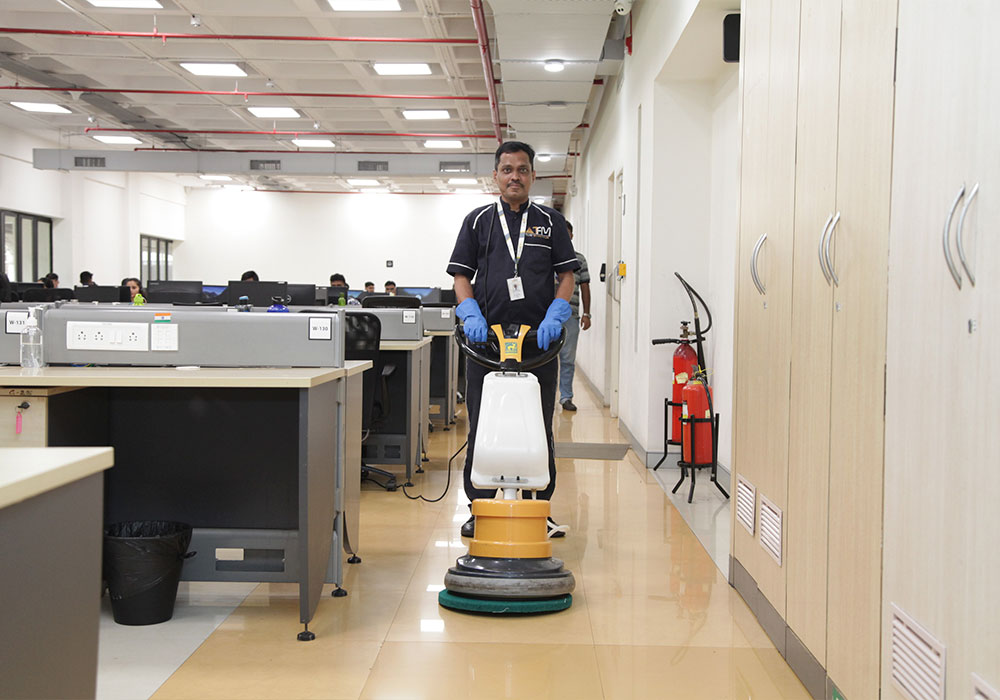
In today's competitive business landscape, organizations are increasingly recognizing the crucial role that employee experience plays in driving success. As the workforce evolves and expectations shift, businesses are looking beyond traditional HR practices to create environments that foster engagement, productivity, and satisfaction. One often overlooked aspect of this equation is facility management – the backbone of the physical workplace. In this blog, we'll explore the significant impact that strategic facility management can have on employee experience and ultimately, organizational performance.
Designing Spaces for Collaboration and Innovation:
Effective facility management involves more than just maintaining the physical infrastructure; it's about curating spaces that inspire creativity and collaboration. By strategically designing work environments that encourage interaction and idea-sharing, organizations can cultivate a culture of innovation and teamwork. Whether it's open-plan office layouts, designated brainstorming areas, or flexible meeting spaces, the physical workspace plays a vital role in shaping employee interactions and fostering a sense of community.
Prioritizing Health and Wellness:
A healthy workforce is a productive workforce, and facility management plays a key role in promoting employee well-being. From ergonomic furniture and proper lighting to air quality control and wellness amenities, investing in workplace health initiatives can have a significant impact on employee satisfaction and morale. By creating environments that prioritize physical and mental wellness, organizations can reduce absenteeism, boost productivity, and enhance overall job satisfaction.
Enhancing Convenience and Accessibility:
Employee experience is greatly influenced by the ease and convenience with which they navigate their physical surroundings. Strategic facility management involves optimizing the layout and infrastructure of the workplace to ensure seamless operations and accessibility for all employees. This includes factors such as efficient space planning, ergonomic design, and accessibility features for individuals with disabilities. By removing physical barriers and streamlining processes, organizations can improve employee efficiency and satisfaction.
Embracing Technology for Efficiency and Convenience:
In today's digital age, technology plays a central role in shaping employee experience. From smart building systems and automated facilities management tools to mobile apps for workplace amenities and services, technology can greatly enhance the efficiency and convenience of the workplace. By leveraging innovative technologies, organizations can streamline facility management processes, provide real-time insights into workspace utilization, and offer personalized experiences that cater to the diverse needs of their workforce.
Cultivating a Positive Organizational Culture:
Ultimately, strategic facility management is about creating environments that reflect and reinforce the organization's values and culture. By aligning the physical workspace with the company's mission and vision, organizations can foster a sense of belonging and pride among employees. Whether through branded design elements, cultural artifacts, or community-focused initiatives, facility management can contribute to building a positive and inclusive organizational culture that attracts and retains top talent.
In conclusion, facility management is not just about managing buildings; it's about creating environments that enhance the overall employee experience. By strategically designing, maintaining, and optimizing physical workspaces, organizations can cultivate a workplace environment that inspires creativity, promotes well-being, and drives success. As businesses continue to prioritize employee satisfaction and engagement, strategic facility management will play an increasingly critical role in shaping the future of work.